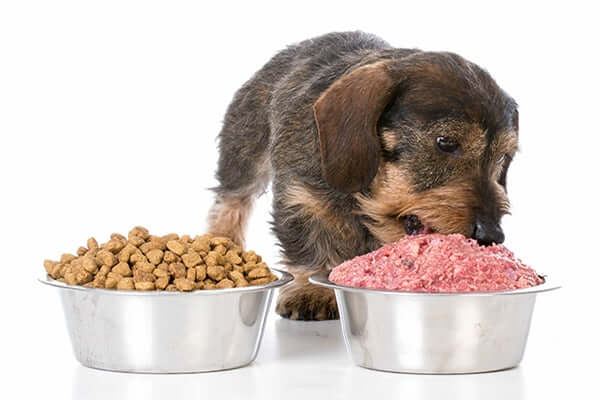
Raw feeding for dogs has become an increasingly popular trend among pet owners in recent years. This natural and biologically appropriate diet consists of feeding dogs raw meat, bones, organs, and vegetables instead of commercial kibble or canned food. Advocates of raw feeding believe that it provides dogs with the nutrients they need to thrive and promotes overall health and well-being.
While some veterinarians and pet experts have raised concerns about the potential risks of a raw diet, many pet owners have seen significant improvements in their dogs’ health and vitality after switching to raw feeding. In this article, we will explore the benefits and risks of raw feeding for dogs, as well as provide tips on how to safely transition your dog to a raw diet.
The Benefits of Raw Feeding for Dogs
Proponents of raw feeding for dogs highlight several benefits of this diet. One major advantage is that raw food is less processed and contains more natural nutrients compared to commercial dog food. By providing dogs with a diet that closely resembles what their ancestors would have eaten in the wild, raw feeding aims to support optimal health and digestion. Additionally, some pet owners have reported improvements in their dog’s coat quality, energy levels, and even behavior after switching to a raw diet. For those concerned about providing a well-balanced meal, tools like Raw Feeding Calculating can help ensure that their dog’s nutritional needs are being met through a carefully planned raw feeding regimen.
Potential Risks of Raw Feeding
While there are many benefits to raw feeding, it’s important to consider the potential risks as well. One concern is the risk of bacterial contamination from handling raw meat and bones, which could lead to foodborne illnesses in dogs. Another issue is the possibility of nutritional imbalances if the diet is not properly planned and lacks essential vitamins and minerals. To mitigate these risks, pet owners should consult with a veterinarian or canine nutritionist when transitioning their dog to a raw diet and use resources like Raw Feeding Calculating to ensure that their dog’s nutritional needs are being met.
In conclusion, raw feeding for dogs can be a beneficial diet option for many pet owners seeking to provide their canine companions with a natural and nutritious meal. While there are risks associated with handling raw meat and bones, as well as the potential for nutritional imbalances, with proper planning and guidance from professionals, these risks can be minimized. By weighing the benefits and risks of raw feeding, pet owners can make an informed decision regarding their dog’s diet and overall health. Ultimately, whether you choose to feed your dog raw or not, the most important thing is to prioritize your furry friend’s health and well-being above all else.