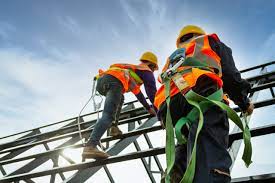
Working at height is a critical aspect of many industries, including construction, maintenance, and telecommunications. It involves performing tasks at elevated locations, such as roofs, scaffolds, and elevated platforms. While working at height provides a unique set of challenges and risks, it is crucial to have proper safety measures in place to prevent accidents and ensure the well-being of workers. This article aims to explore the importance of working at height safely, the potential hazards involved, and the necessary precautions and regulations that should be followed.
Working at height comes with inherent risks, including falls, slips, and trips, which can result in severe injuries or even fatalities. Therefore, it is imperative for employers to prioritize safety by providing proper training, equipment, and protocols for employees engaging in such tasks. Understanding and adhering to safety regulations, such as using fall protection systems, harnesses, guardrails, and implementing regular inspections, is essential for safeguarding workers’ lives. By being aware of the potential hazards associated with working at height and taking appropriate precautionary measures, employers and employees alike can create a safer work environment and significantly reduce the occurrence of accidents and injuries.
Height Safety Rules
When working at height, it is crucial to follow three simple rules to ensure safety and prevent accidents. These rules are designed to protect workers and minimize the risks associated with working at elevation. The first rule is to always assess the task before starting, which involves identifying potential hazards, planning the work, and selecting the right equipment for the job. This step is vital in determining the best approach and ensuring that all necessary safety measures are in place.
The second rule is to use the appropriate equipment and systems for working at height. This includes using ladders, scaffolds, or platforms that are specifically designed for the task at hand. Adequate training and proper use of personal protective equipment, such as harnesses and fall arrest systems, are also crucial. By following these guidelines, workers can minimize the risk of falling and other accidents. To learn more about these rules and how to implement them, you can explore further.
In addition to assessing tasks and using the appropriate equipment, the third rule is to regularly inspect and maintain all working at height equipment. This includes inspecting ladders, scaffolds, and platforms for any signs of damage or wear and tear. Regular maintenance and inspection ensure that the equipment remains safe and reliable for use. By adhering to these height safety rules, employers and employees can promote a culture of safety, reduce the risk of accidents, and protect the well-being of all workers involved in tasks at elevated locations. Remember, working at height may present challenges, but with proper precautions and regulations in place, it is possible to create a safe and secure work environment.