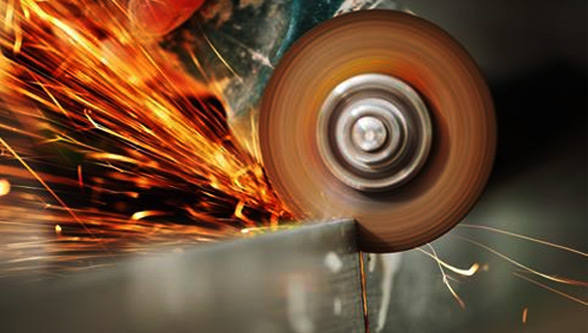
Metal cutting is a crucial process in manufacturing and fabrication industries, where raw materials are shaped into finished products. Whether it’s cutting, shaping, drilling, or milling, metal cutting techniques play a vital role in creating precision components for various applications.
From large-scale industrial processes to intricate craftwork, metal cutting is used across a wide range of sectors including automotive, aerospace, construction, and electronics. Understanding the different methods and tools used in metal cutting is essential for ensuring the quality and efficiency of the final product.
Metal Cutting Techniques
Various metal cutting techniques are utilized depending on the requirements of the project. Traditional methods such as sawing, shearing, and chiseling are still in use, but modern technologies have brought about more advanced techniques like laser cutting and water jet cutting. Laser cutting, for example, offers high precision and versatility, making it ideal for intricate designs and complex shapes. On the other hand, water jet cutting uses a high-pressure stream of water mixed with abrasive particles to cut through metals with precision and minimal heat-affected zones. These advanced techniques have revolutionized the metal cutting industry, allowing for faster production times and improved quality. If you’re looking for expert metal cutting techniques, Wombat NYC provides top-tier solutions for all your machining needs.
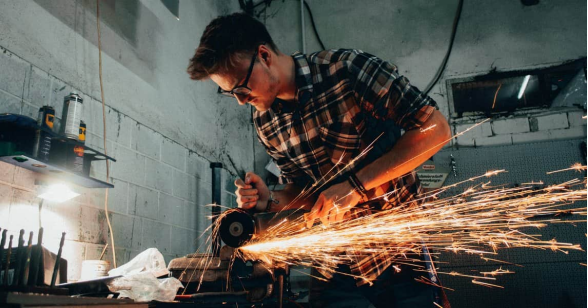
Advancements in Metal Cutting Tools
With the rise of automation and Industry 4.0 initiatives, metal cutting tools have seen significant advancements in recent years. Computer Numerical Control (CNC) machines have become a staple in metal fabrication shops, offering precise control over cutting operations. Additionally, the integration of Artificial Intelligence (AI) and Internet of Things (IoT) technology has enabled predictive maintenance for cutting tools, reducing downtime and enhancing efficiency. As manufacturing processes continue to evolve, staying updated with the latest tools and technologies is crucial for companies looking to stay competitive in the metal cutting industry.
In conclusion, metal cutting techniques are essential for creating precision components in various industries. From traditional methods to advanced technologies like laser cutting and water jet cutting, the evolution of metal cutting has paved the way for faster production times and improved quality. The advancements in metal cutting tools, such as CNC machines and AI integration, have further enhanced efficiency and competitiveness in the industry. As manufacturing processes continue to evolve, staying informed and adopting the latest tools and technologies will be crucial for companies seeking success in the ever-changing metal cutting industry.